




Ultrasonic Disperser
The Ultrasonic Disperser, as advanced material processing equipment, is primarily based on the utilization of ultrasonic energy with frequency exceeding 20 kHz. This ultrasonic frequency lies beyond the range of human hearing, yet it can induce a series of unique physical effects in liquid media, such as cavitation, thermal effects and mechanical effects. These effects work synergistically, enabling ultrasonic dispersers to deliver outstanding performance in operations like dispersion, mixing and suspension.
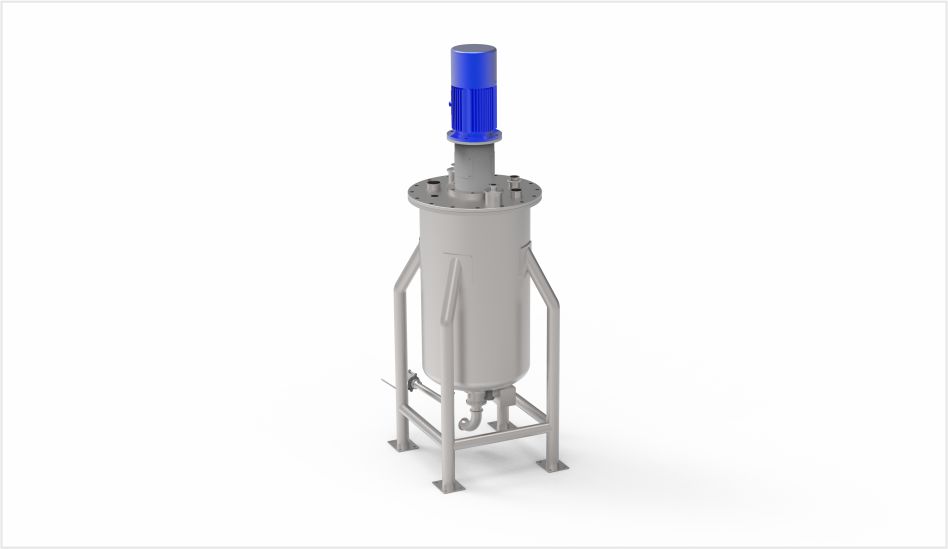
The ultrasonic disperser primarily operates based on the physical characteristics of ultrasonic waves and their propagation mode. The process can be divided into four parts: 1. Electrical Signal Conversion: The ultrasonic generator produces high-frequency electrical signals, which are transmitted to the transducer. 2. Mechanical Vibration Generation: The transducer converts electrical signals into mechanical vibrations. These vibrations are amplified by the horn and ultimately output as high-energy vibrations on the cavitation head. 3. Cavitation Effect 4. Particle Dispersion: The high pressure and microjets generated by cavitation can impact particles in the liquid, causing them to disperse and break apart from agglomerates. Meanwhile, the vibration from ultrasonic waves induces continuous collisions among particles within the liquid, further reducing particle size. Additionally, ultrasonic vibration creates microscopic eddies in the liquid, enhancing uniform dispersion and mixing of particles.
-
 High Dispersion Efficiency
Through high-frequency vibration, it generates powerful shear and impact forces, enabling rapid dispersion of particles into the liquid, enabling short processing time and high efficiency.
High Dispersion Efficiency
Through high-frequency vibration, it generates powerful shear and impact forces, enabling rapid dispersion of particles into the liquid, enabling short processing time and high efficiency. -
 Energy-Saving & Eco-Friendly
No direct shear in the material treatment process and less introduction of magnetic foreign matter, ensuring the purity of the material.No need for additional organic solvents or chemical reagents, avoiding pollutant generation. Moreover, the equipment typically features low energy consumption.
Energy-Saving & Eco-Friendly
No direct shear in the material treatment process and less introduction of magnetic foreign matter, ensuring the purity of the material.No need for additional organic solvents or chemical reagents, avoiding pollutant generation. Moreover, the equipment typically features low energy consumption. -
 Online Production
The ultrasonic disperser can be seamlessly integrated with other production equipment to achieve a continuous and automated production process.
Online Production
The ultrasonic disperser can be seamlessly integrated with other production equipment to achieve a continuous and automated production process. -
Easy Operation
Equipped with an advanced control system for simple and fast operation.
-
Excellent Uniformity
The equipment ensures highly uniform material mixing, dispersing fine particles evenly in the liquid to prevent aggregation and sedimentation.
-
Flexible Application
The equipment parameters (such as frequency, power and time) can be adjusted according to different dispersion requirements, making it suitable for various materials and dispersion requirements.
-
Low-Temperature Operation
The entire process does not generate excessive heat, making it ideal for the processing of temperature-sensitive samples.
-
Pharma-ceutical IndustryUsed for preparing suspensions, emulsions and liposomes.
-
Chemical IndustryUsed for producing coatings, inks, adhesives and other fine chemical products.
-
New Energy IndustryUsed for manufacturing battery materials, solar photovoltaic panels, etc.
-
 Food IndustryUsed for dispersing construction materials, such as lime, gypsum powder, fly ash, cement, etc.
 -
Environ-mental Protection IndustryUsed for sewage and waste treatment.
-
 New Materials Industry
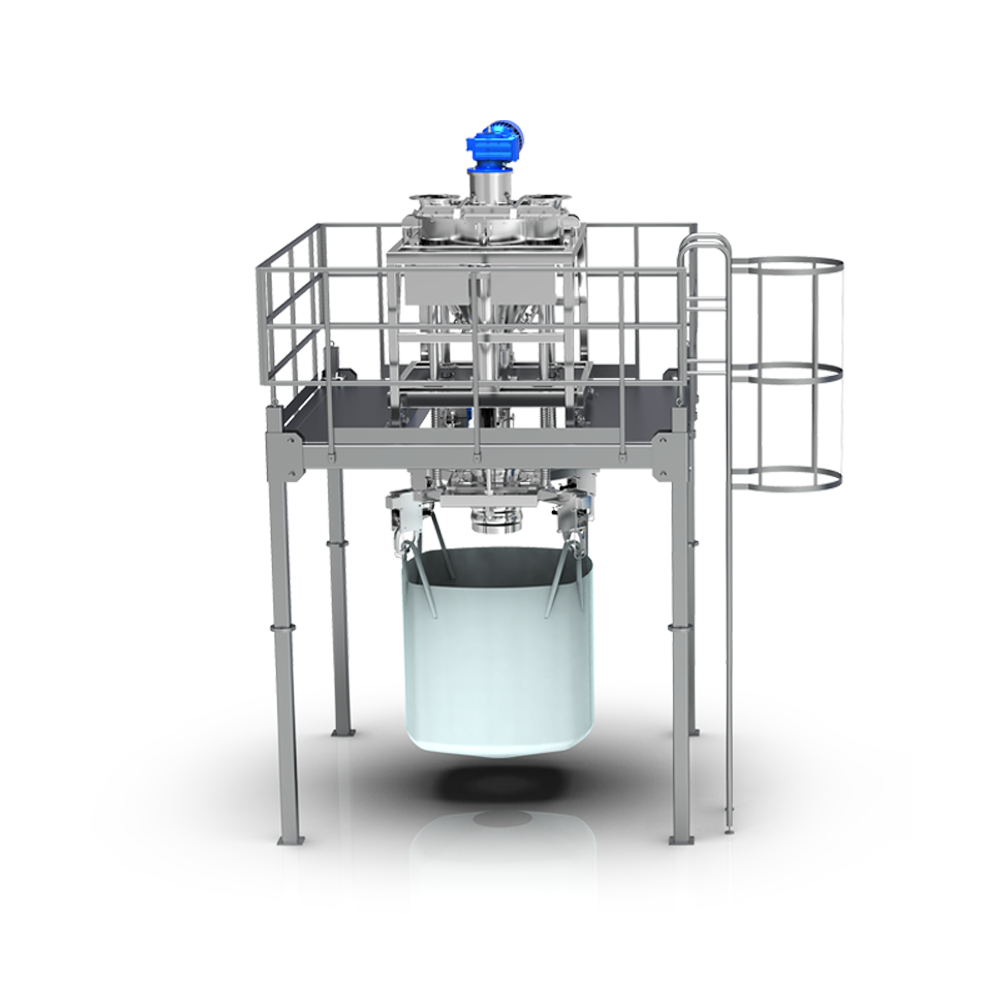
Considering the particularity of the new materials industry, SOPHON provides customized material conveying solutions to handle special materials with high temperature, high viscosity, and corrosion.
-
 Pharmaceutical Industry
To meet the requirements of high cleanliness and sterility for material conveyance in the pharmaceutical industry, SOPHON adopts special materials and sealing design to effectively prevent cross-contamination and ensure the safety and effectiveness of drug production.
-
 Plastic Industry
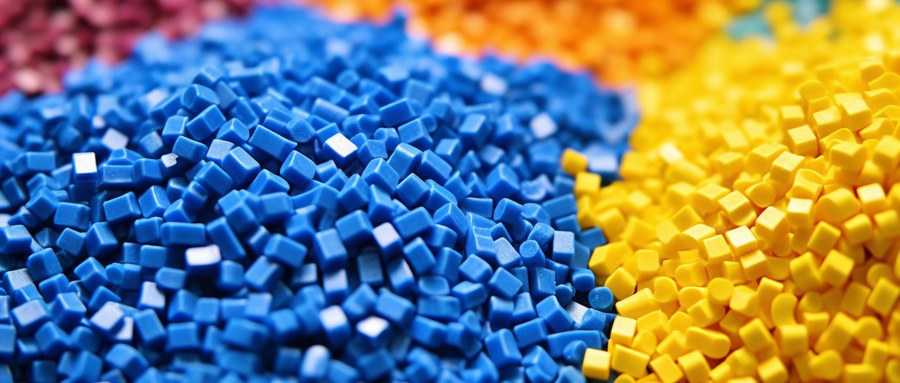
SOPHON provides precise and efficient material conveying systems in the plastic industry that can handle both raw material particles and finished plastic, ensuring the continuity of production process and product quality.