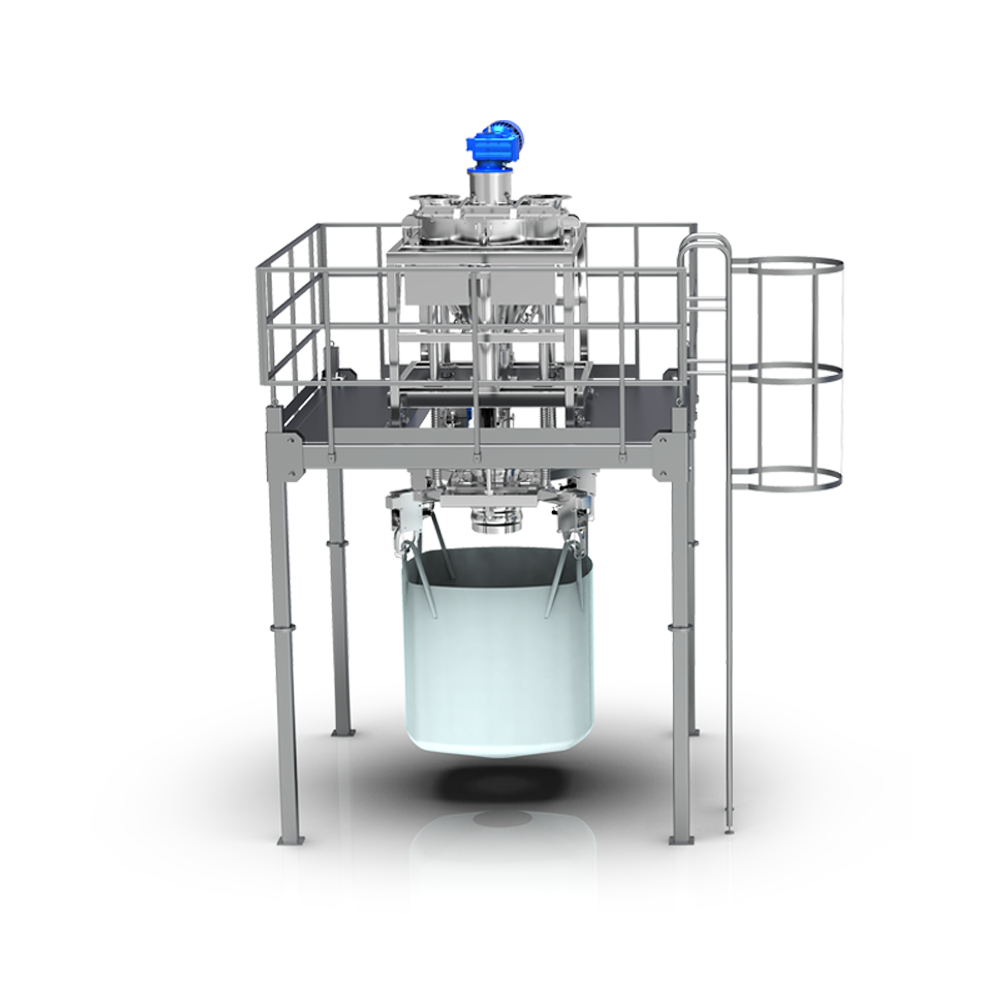




Rotary Plasma Modification Equipment
The Rotary Plasma Modification Equipment integrates technologies of both powder atomic layer deposition (ALD) and plasma powder modification. These two functions can be employed either individually or in combined ways.
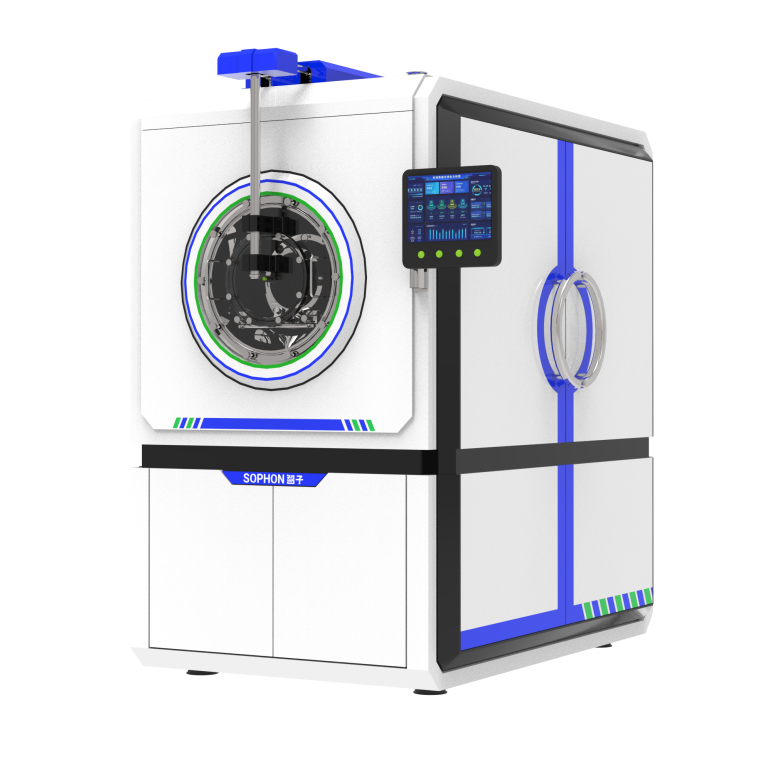
The equipment applies low-pressure plasma discharge technology within the powder processing chamber. By ionizing the chamber gas, it generates reactive species (electrons and positive/negative ions). These energetic particles collide with powder surfaces, increasing surface defect concentration to achieve etching, doping, grafting and cleaning effects. The technology combines plasma powder modification with ALD to enhance the deposition process. This energy-assisted atomic layer deposition method employs highly reactive plasma species as precursors, typically using plasma to replace conventional reactants for reaction with Precursor A.
-
 Uniform TreatmentThe rotating structure ensures homogeneous surface modification across all material surfaces, eliminating localized treatment inconsistencies.
 -
 Significant EffectHigh-energy particles interact with material surfaces, dramatically enhancing surface properties.
 -
 Energy EfficiencyContinuous operation mode boosts productivity while maintaining high plasma energy utilization, substantially reducing operational costs.
 -
 Precise ControlAccurate adjustment of plasma parameters to enable precise modification.
 -
Wide ApplicabilityCompatible with diverse materials (metals, ceramics, polymers, etc.) and multiple material forms.
-
Plastic Packaging IndustryIncreasing surface tension (from 30–40 mN/m to 70–80 mN/m) to resolve printing detachment (improve adhesion by 3–5 times) and bonding failure; replacing solvent-based inks and adhesives with eco-friendly water-based alternatives; reducing VOCs emissions.
-
Electronics & Semiconduc-tor IndustryRemove oxide layers and oil contamination, improving welding yield rate (from 88% to 99%); Activate plastic surfaces, enabling water-based coating adhesion to match solvent-based performance; Clean PCB surfaces and eliminate static electricity, enhancing subsequent welding and assembly quality.
-
New Energy IndustryActivate lithium battery tabs to improve welding strength; Modify the surface of battery sealing materials to enhance waterproof performance; Apply hydrophilic treatment to photovoltaic glass surfaces to reduce dust accumulation and increase power generation efficiency.
-
New Materials IndustryActivate fiber surfaces to enhance interfacial bonding strength in composite materials; Improve uniformity of waterproof and antibacterial coating adhesion, addressing challenges of interlayer bonding in textiles, and increase lightweight structural strength by 40%.