




Magnetic Separator for High-Viscosity Materials
The Magnetic Separator for High-Viscosity Materials is specially designed to remove iron impurities and other ferromagnetic particles from fluid or semi-fluid materials with high viscosity.
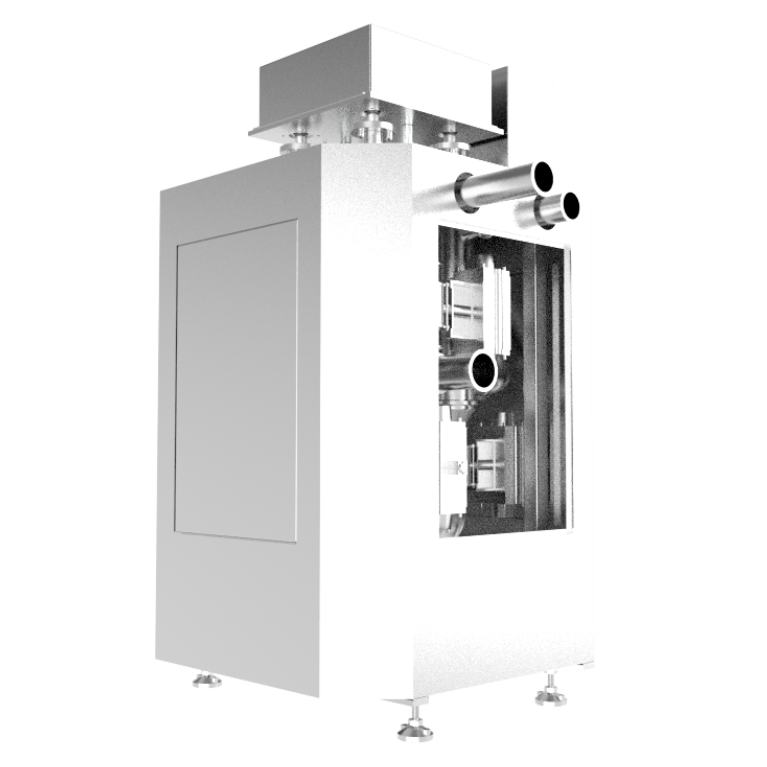
1. Slurry Feeding: The raw slurry is transferred into the high-efficiency demagnetizer via a feeding system. 2. Magnetic Separation: As the slurry flows through the high-intensity magnetic zone, ferrous particles are absorbed and separated by the permanent magnetic rods. 3. Purified Slurry Discharge: The slurry after magnetic separation exits through the outlet and proceeds to downstream processes. 4. Automatic Slurry Drainage: The system automatically drains residual slurry from the separation chamber prior to cleaning. 5. Magnetic Particles Scraping: The magnetic rods are smoothly elevated via cylinder control. Scraping rings (fit tightly to the magnetic rod surface) remove adhered ferrous particles into the chamber. 6. Chamber Rinsing: Complete the rinsing of the chamber with detergent or high-pressure water, eliminating all residual contaminants. 7. Chamber Drying: Compressed air purging eliminates residual moisture/cleaning agent.
-
 Adapting to High-viscosity Materials
Utilizing large pipe diameter, large cross-sectional area, and low flow velocity to ensure stable handling of high-viscosity materials (<30,000 mPa·s).
Adapting to High-viscosity Materials
Utilizing large pipe diameter, large cross-sectional area, and low flow velocity to ensure stable handling of high-viscosity materials (<30,000 mPa·s). -
 Intelligent Cleaning System
Integrated with electric cylinder screw lifting device, it uniformly removes impurities from the magnetic rod surface and pipeline inner wall at different positions, achieving efficiency more than 5 times higher than manual scraping, with residual impurity rate < 3%.
Intelligent Cleaning System
Integrated with electric cylinder screw lifting device, it uniformly removes impurities from the magnetic rod surface and pipeline inner wall at different positions, achieving efficiency more than 5 times higher than manual scraping, with residual impurity rate < 3%. -
 Thorough Magnetic Separation
Utilizing rotating magnetic rods and series pipeline array to ensure full contact between magnetic rods and materials, effectively eliminating the risk of impurity clogging in the production line.
Thorough Magnetic Separation
Utilizing rotating magnetic rods and series pipeline array to ensure full contact between magnetic rods and materials, effectively eliminating the risk of impurity clogging in the production line. -
 Strong & Stable Magnetic Performance
The magnetic rods are made of high-performance NdFeB permanent magnet material, with surface magnetic strength reaching 8000-15000 GS and an annual magnetic field decay rate of <5%, making them satisfy long-term magnetic separation requirements.
Strong & Stable Magnetic Performance
The magnetic rods are made of high-performance NdFeB permanent magnet material, with surface magnetic strength reaching 8000-15000 GS and an annual magnetic field decay rate of <5%, making them satisfy long-term magnetic separation requirements. -
Low Energy Consumption & High Stability
Permanent magnetic rods require no excitation power, reducing annual operating costs by 70% compared to electromagnetic systems. The stepper screw features a compact design and low failure rate (annual failure rate <2%), offering simpler maintenance compared to hydraulic/pneumatic cleaning systems.
-
New Energy IndustryApplication Scenarios: Magnetic separation of slurries in core material production processes such as lithium batteries, photovoltaics, and hydrogen fuel cells. Core Function: Removes 0.1-100 μm ferromagnetic particles to prevent impurities from affecting product performance and ensures zero risk of production line clogging.
-
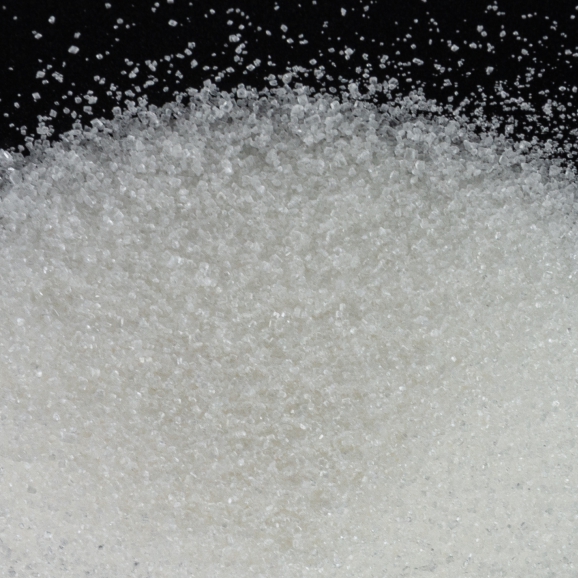
Food IndustryApplication Scenarios: Safety and purity control of fluids/semi-fluids such as food slurries and pharmaceutical intermediates. Core Function: Removes iron impurities introduced by equipment wear, reduces material residue through intelligent cleaning, and ensures product safety and hygiene.
-
Electronic Semiconductor IndustryApplication Scenarios: Fluid/slurry purity control in semiconductor packaging, electronic ceramics, liquid crystal displays, and other related fields. Core Function: Meets the demand for "ultra-purity," prevents circuit short circuits and performance degradation caused by minute iron particles, and enhances material purity.
-
Ceramics & Building Materials IndustryApplication Scenarios: Magnetic separation of slurries in the production of ceramic glazes, glass fibers, refractory materials, etc. Core Function: Removes iron impurities introduced by raw materials and equipment wear, preventing defects such as spots and pinholes in the final products.


-
 New Materials Industry
Considering the particularity of the new materials industry, SOPHON provides customized material conveying solutions to handle special materials with high temperature, high viscosity, and corrosion.
-
 Pharmaceutical Industry
To meet the requirements of high cleanliness and sterility for material conveyance in the pharmaceutical industry, SOPHON adopts special materials and sealing design to effectively prevent cross-contamination and ensure the safety and effectiveness of drug production.
-
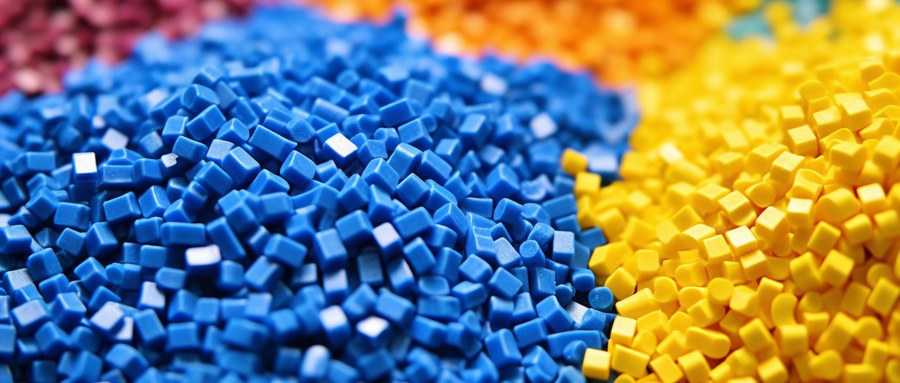 Plastic Industry
SOPHON provides precise and efficient material conveying systems in the plastic industry that can handle both raw material particles and finished plastic, ensuring the continuity of production process and product quality.